Nepal, a little Himalayan nation settled between China and India, is an arrival of amazing normal magnificence and significant social lavishness. For trekkers and nature darlings, Nepal offers a few of the best high-altitude climbing courses in the world. Among them, the Gokyo Lake trekking Everest Base Camp trek stands out as a notorious venture through the heart of the Khumbu region. These trails take explorers past frigid lakes, sherpa towns, towering peaks, and old monasteries—all whereas giving a profound jump into Himalayan culture and scenes. In this Nepal trekking direct, we investigate the pith of both the Gokyo and Everest Base Camp treks and the covered up treasures of the encompassing Himalayan hills.
The Gokyo Lake trek:
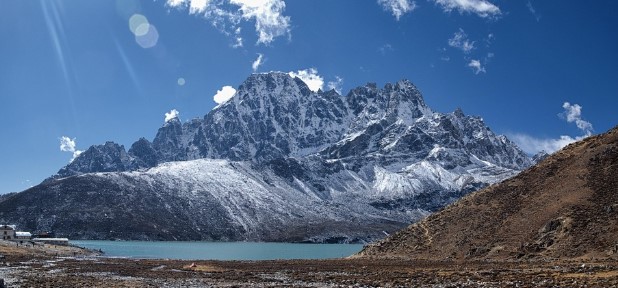
The Gokyo Lake trek is a less-traveled but similarly dazzling elective to the classic Everest Base Camp course. It takes you off the fundamental path and leads you to the grand Gokyo Valley, where an arrangement of mesmerizing frigid lakes shimmer beneath the shadows of the world’s tallest peaks. Gokyo is not fair around lakes—this trekoffers all encompassing views of four 8,000-meter peaks: Everest (8,848m), Lhotse (8,516m), Makalu (8,481m), and Cho Oyu (8,188m).
Starting from Lukla, the path continuously rises through the Dudh Koshi valley, moving through rhododendron timberlands, yak pastures, and conventional Sherpa settlements like Namche Bazaar, Dole, and Machhermo. Namche Bazaar acts as a key acclimatization point and social center, advertising trekkers a see into Sherpa way of life, with its pastry kitchens, equip shops, and indeed a mountain museum.
As you rise to the Gokyo region, you’ll take note of the territory developing farther and quieter. The highlight of this track is coming to the perfect Gokyo Lakes, particularly the third lake—Dudh Pokhari—with its dreamlike turquoise color set against a background of snow-clad mountains. Climbing Gokyo Ri (5,360m) early in the morning rewards you with one of the finest all encompassing sights in Nepal. The location of the Everest extending from here is ostensibly more amazing than from Kala Patthar, much obliged to the combination of tall peaks and shining lakes.
The Gokyo trek moreover permits for the bold Cho La Pass crossing, interfacing with the Everest Base Camp path, making it conceivable to combine both treks for an epic Himalayan involvement. For trekkers looking for isolation, snow capped view, and special territory, Gokyo is a culminating choice.
Everest Base Camp Trek:
The Amazing Path to the Foot of the World’s Most noteworthy Peak
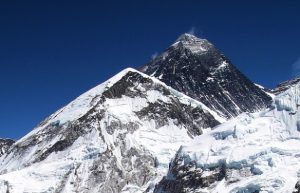
The Everest Base Camp trek(EBC) is the most celebrated trek in Nepal and seemingly the world. It leads you to the base of Mount Everest, the most noteworthy point on Soil, advertising staggering views, social submersion, and a sense of accomplishment like no other. The course is soaks in mountaineering history, otherworldly vitality, and awe-inspiring vistas.
Like the Gokyo trek, the trek starts with an exciting flight from Kathmandu to Lukla Air terminal, one of the world’s most bold runways. From there, trekkers take after the Dudh Koshi Waterway, crossing famous suspension bridges hung with colorful supplication banners, and rise through bustling towns such as Phakding, Namche Bazaar, Tengboche, and Dingboche.
Namche Bazaar, roosted on a soak mountainside, serves as the region’s financial and social center. The acclimatization day here ordinarily incorporates a brief climb to Everest See Lodging for a to begin with clear sea at the Everest run. As trekkers proceed past Tengboche Religious community, the otherworldly center of the Khumbu, they experience ever more sensational elevated scenery—glaciers, moraines, and spiked peaks.
Eventually, you reach Gorakshep, the final settlement some time recently at Everest Base Camp. From here, trekkers climb to the base camp (5,364m) itself, standing at the foot of the monstrous Khumbu Icefall, where climbers plan for their rising of Everest. The climb to Kala Patthar (5,545m), an adjacent perspective, offers the most famous close-up view of Everest at sunrise—an exceptional highlight.
The Everest Base Camp trek is not fair approximately the last goal. The whole course inundated you in Sherpa culture, Buddhist most profound sense of being, and the strong high-altitude way of life. Teahouse lodges along the path offer a chance to associate with local people, taste conventional nourishments like dal bhat and yak butter tea, and feel a portion of the mountaineering legacy that characterizes the region.
Comparing Gokyo and Everest Base Camp: What Sets Them Apart?
Both the Gokyo Lake trek and the Everest Base Camp trek lie inside the Sagarmatha National park, a UNESCO World Legacy Location, and share the beginning segment of the path from Lukla to Namche Bazaar. In any case, they veer in subject, view, and trekking experience.
The Gokyo trek offers less-crowded trails, making it a more serene elective for those looking for isolation and normal excellence. The lakes, ice sheets, and Gokyo Ri are the major attractions, and it needs the same number of towns and social points of interest as the Everest course. In any case, it compensates with serene trails and dreamlike vistas.
Everest Base Camp, on the other hand, is more around the mountaineering bequest and bustling path culture. It’s more populated, particularly amid the peak seasons, but too wealthy in Buddhist religious communities, supplication wheels, and chortens. You’ll discover more interaction with individual trekkers, climbers, and Sherpas on this route.
If you’re torn between the two, numerous trekkers select to combine both courses through the Cho La Pass, making a challenging but monstrously fulfilling circle that visits both Everest Base Camp and Gokyo Lakes.
Trekking Seasons: Best Time to Visit the Himalayan Hills
The perfect time for both treks is amid the pre-monsoon (spring) season from March to May and the post-monsoon autumn season from late September to early December. These months offer a steady climate, clear skies, and fabulous perceivability of the mountains.
Spring is known for its blooming rhododendrons and hotter temperatures, whereas harvest time gives fresh discuss and striking mountain sees. Winter treks are conceivable but include colder conditions and snow-blocked passes, particularly around Cho La. The summer rainstorm season (June–August) is for the most part maintained a strategic distance from due to overwhelming rain, dangerous trails, and destitute visibility.
Fitness, Acclimatization, and Trekking Difficulty:
While both treks are non-technical, they do require great physical wellness, mental perseverance, and legitimate acclimatization to maintain a strategic distance from Intense Mountain Ailment (AMS). Each trek includes numerous days over 3,000 meters, with Everest Base Camp and Gokyo Ri both surpassing 5,000 meters.
To remain secure, most schedules incorporate rest and acclimatization days, particularly in Namche Bazaar and Dingboche or Machhermo, depending on your course. It’s basic to track gradually, drink a bounty of liquids, and be mindful of side effects such as cerebral pains, tipsiness, or sickness. Carrying Diamox and having travel protections that cover high-altitude protection is profoundly recommended.
Accommodation and Food on the Trail:
Both the Gokyo and Everest Base Camp treks take place after a teahouse trekking demonstration, where trekkers remain in neighborhood lodges advertising basic but comfortable rooms, for the most part with twin beds, shared toilets, and wood-burning stoves for warmth.
Meals are healthy and carbohydrate-rich to fuel long days of climbing. Anticipate alternatives like dal bhat (lentil soup with rice), momos (dumplings), noodles, pasta, potatoes, and porridge. Tea and hot lemon are staples, and you’ll regularly discover apple pie in Namche’s bakeries—a Himalayan treat!
Higher up on the path, comforts became more fundamental, and nourishment costs rose due to the trouble of transporting products to farther elevations.
Essential Tips for Gokyo and Everest Treks:
A fruitful trek starts with legitimate Tipsation. Here’s a brief list of what to pack for Gokyo or Everest Base Camp:
- Sturdy climbing boots (broken in)
- Thermal base layers (best and bottom)
- Insulated down jacket
- Waterproof external layers (coat and pants)
- Woolen cap, gloves, and neck gaiter
- Sunglasses and sunscreen (the UV is intense)
- Sleeping sack (evaluated to -10°C or lower)
- Trekking poles
- Refillable water bottle with decontamination tablets
- Headlamp
- First help unit and individual medication
Most of this Tipser is accessible for lease or buy in Kathmandu or Namche Bazaar if you disregard anything.
Permits Required for Trekking
- To trek in the Gokyo or Everest region, you require the taking after permits:
- Khumbu Pasang Lhamu Rustic Region Passage Permit
- Sagarmatha National park Section Permit
- TIMS card (a few organizations may still require this)
- These can be organized through your trekking office or freely in Kathmandu or Monjo.
Why Select Adventure Great Himalaya for This Trek?
Choosing the right trekking organization is vital for guaranteeing a secure, agreeable, and paramount Himalayan experience. Experience Awesome Himalaya stands out as a best choice for trekking in Nepal, especially for the Everest Base Camp and Gokyo Lake treks. Here’s why:
Experienced Guides & Bolster Group: Enterprise Incredible Himalaya gloats a group of experienced, learned, and authorized guides who are specialists in the Everest and Gokyo districts. They get it’s territory, climate conditions, and social subtleties, guaranteeing a smooth travel whereas prioritizing your safety.
Personalized Benefit: The office gives custom fitted schedules to suit your wellness level, inclinations, and time limitations. Whether you’re looking for a more loose pace or aiming to combine both the Everest and Gokyo treks, they can suit your particular needs.
Commitment to Security: With a solid center on your well-being, Enterprise Incredible Himalaya guarantees you have the fundamental acclimatization days and crisis back. Their staff is prepared to handle high-altitude ailments and give therapeutic help when needed.
Local Mastery & Social Inundation: As a neighborhood company, Enterprise Extraordinary Himalaya offers true social encounters, making a difference where trekkers lock in with the Sherpa community and investigate the Himalayas’ wealthy legacy.
The Himalayan hills Past Everest and Gokyo
While Everest and Gokyo overwhelm the highlight, the Himalayan hills of Nepal are filled with other wonderful and underrated trekking courses. Brief treks like Pikey peak or Khopra Danda, or social ventures through Tamang Legacy Path, exhibit the differences of Nepal’s scenes and ethnic cultures.
The lower hills are idealized for tenderfoots or those looking for calmer trails and lower heights, with picturesque views of Everest, Annapurna, or Langtang ranges—without going over 4,000 meters.
Final Considerations: Your Enterprise Awaits
The Gokyo Lake trekking Everest Base Camp trek speaks to two of Nepal’s most surprising treks—one filled with cold lakes and isolation, the other with amazing mountain legend and famous sights. Whether you’re chasing reflections in Tokyo’s turquoise lakes or standing underneath the towering Khumbu Icefall at Everest Base Camp, these treks are bound to change you.
Nepal’s Himalayan hills offer more than fair hiking—they offer an entryway to otherworldly peace, normal wonder, and human versatility. With the right arrangement, Tips, and nearby back, your trek will become more than a trip; it will be a life-changing story you’ll carry with you until the end of time.
Contact Us
Himalaya Adventure Tours and Trekking Pvt. Ltd.
Mobile : +977-9841273869
Email: info@adventuregreathimalaya.com
URL:–https://www.adventuregreathimalaya.com/