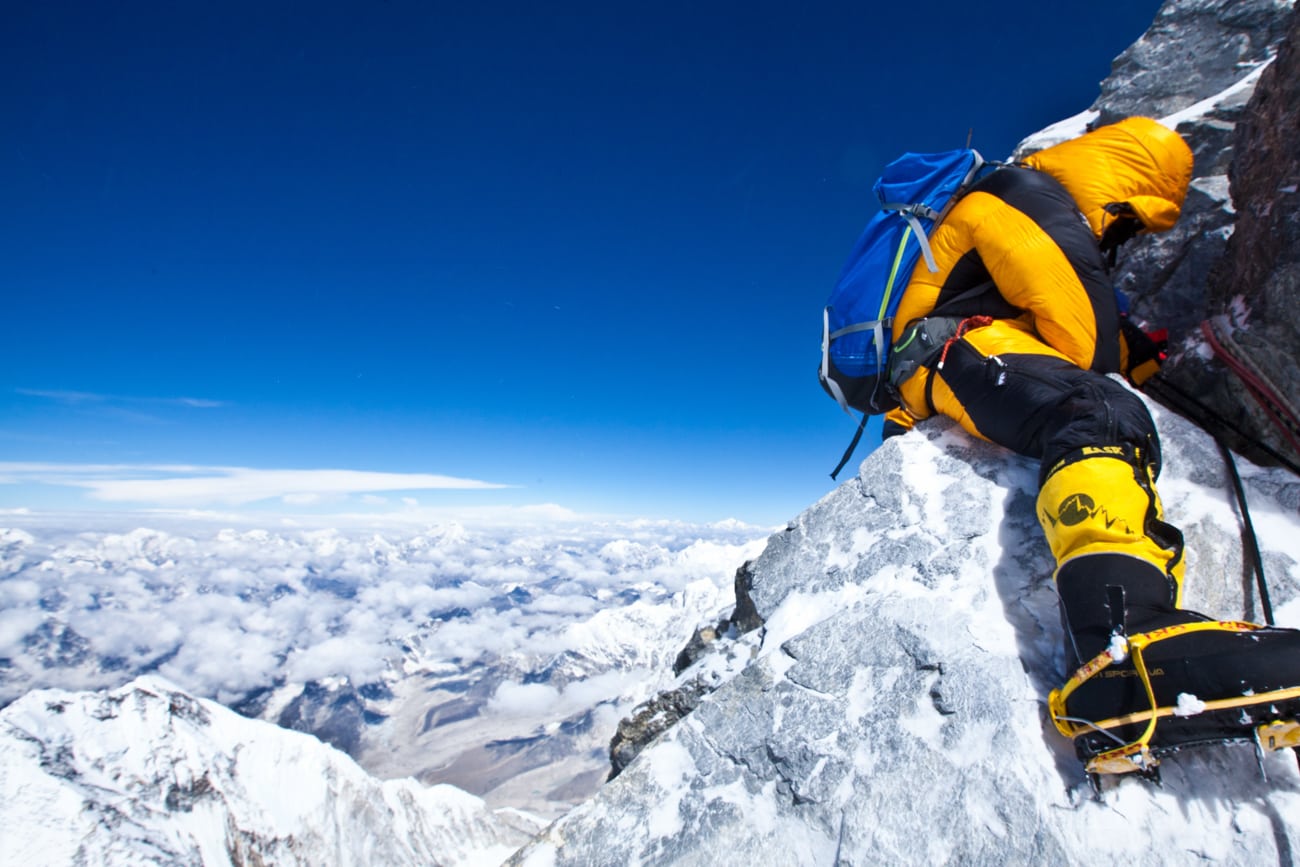
People often describe Everest as the ultimate destination.
It’s the highest mountain on Earth, the centerpiece of countless documentaries, photographs, and adventure stories. For many travelers, simply hearing its name brings one image to mind—a rugged landscape crowned by the world’s tallest peak.
Yet those who have actually explored the Khumbu region usually tell a different story.
Ask them what they remember most, and the conversation rarely begins with Everest Base Camp itself.
Instead, they’ll describe the morning they watched the first rays of sunlight illuminate distant snow-covered mountains. They’ll remember crossing a suspension bridge suspended high above a roaring river or spending an evening inside a warm teahouse while sharing stories with travelers from different corners of the world.
Those experiences don’t happen at the finish line.
They happen on the way there.
That’s what makes the Everest Base Camp Trek with Helicopter Return so remarkable. The destination may inspire the dream, but it’s the journey that gives the dream its meaning.
A Trail That Rewards Curiosity
Unlike many famous tourist attractions where visitors arrive, take a photograph, and move on, the Everest trail asks something different.
It encourages curiosity.
Each village introduces a new chapter in the journey. Traditional stone houses sit beneath towering peaks, prayer wheels spin quietly beside the trail, and colorful prayer flags flutter between mountain passes.
The landscape never feels repetitive because every few hours something changes.
A narrow forest path opens into a wide valley.
A quiet settlement gives way to panoramic mountain views.
A gentle walk suddenly becomes a rewarding climb that reveals scenery hidden just moments before.
Rather than rushing toward Everest Base Camp, trekkers gradually discover why the route itself has become one of the world’s most celebrated adventures.
The Best View Isn’t Always the Highest One
Travelers often assume that the most spectacular scenery waits at the highest altitude.
The Himalayas challenge that assumption.
Some of the most unforgettable viewpoints appear unexpectedly.
It might be a quiet hill above Namche Bazaar where clouds drift below the surrounding peaks.
It could be the reflection of Ama Dablam in a stream after an early morning walk.
Or perhaps it’s the simple pleasure of looking back along the trail you’ve already completed and realizing how far you’ve come.
These aren’t locations marked by signboards or crowded viewpoints.
They’re moments that reward people who take the time to observe rather than simply move forward.
That’s one reason every trek feels personal.
Two travelers may follow the same path yet return with completely different favorite memories.
Progress Is Measured Differently Here
Life outside the mountains often revolves around efficiency.
The quickest route.
The fastest result.
The shortest possible timeline.
The Everest region follows another philosophy.
Walking at a steady pace becomes more valuable than walking quickly.
Taking time to acclimatize is a sign of wisdom rather than delay.
Stopping to appreciate the landscape isn’t a distraction from the journey—it becomes part of the journey itself.
As the days pass, many trekkers notice something unexpected.
They stop thinking about how much farther they have to go.
Instead, they become interested in everything happening around them.
That subtle shift transforms the trek from a physical challenge into a richer travel experience.
Every Village Has Its Own Story
One of the greatest strengths of the Everest trail is that it isn’t defined only by mountains.
It’s shaped by the people who call the region home.
Walking through villages such as Phakding, Namche Bazaar, Tengboche, Dingboche, and Lobuche reveals a lifestyle built around resilience, hospitality, and a deep connection with the Himalayas.
Family-run teahouses welcome trekkers with warm meals and simple accommodations.
Monasteries provide peaceful places for reflection.
Local markets bring together residents, guides, porters, and visitors from around the world.
These communities give the trek its character.
Without them, the journey would simply be a walk through spectacular scenery.
With them, it becomes an experience filled with culture, history, and genuine human connection.
Reaching Base Camp Is a Milestone—Not the Whole Story
Standing at Everest Base Camp is undoubtedly a memorable achievement.
For many travelers, it’s the moment they’ve imagined for years.
Yet by the time they arrive, something interesting has happened.
Their perspective has changed.
The goal is no longer just a famous destination.
It’s become part of a much larger experience filled with countless memorable moments collected along the trail.
Everest Base Camp doesn’t erase those memories.
It brings them together.
Every bridge crossed.
Every mountain village explored.
Every sunrise witnessed.
Every conversation shared.
The destination feels meaningful because of everything that came before it.
The Journey Ends With a Completely Different Perspective
Many famous trekking routes have one thing in common.
Once you reach the destination, you turn around and retrace the same path back.
While there’s nothing wrong with that, it means much of the return journey feels familiar.
The Everest Base Camp Trek with Helicopter Return offers a different ending.
After days of walking through valleys, crossing suspension bridges, and climbing toward Everest Base Camp, the final chapter unfolds in the sky.
The helicopter flight isn’t simply a faster way home.
It’s an opportunity to see the Himalayas from a perspective that very few experiences can offer.
From above, winding trails become delicate lines connecting remote villages. Rivers that sounded thunderous from the ground carve silver paths through deep valleys. Glaciers stretch farther than they seemed possible while the world’s highest peaks stand together in a breathtaking panorama.
It feels less like leaving the mountains and more like seeing the final piece of a story come together.
The Journey Changes More Than Your Location
Adventure travel often promises beautiful scenery.
The Everest region offers something more lasting.
Walking for several days through the Khumbu Valley naturally changes your routine.
You begin waking with the sunrise instead of an alarm.
Meals become opportunities for conversation rather than distractions.
Your attention shifts from screens to snow-covered ridges, changing weather, and the simple rhythm of putting one foot in front of the other.
Without realizing it, many trekkers begin appreciating slower mornings, quieter evenings, and experiences that don’t need to be shared online to feel meaningful.
It’s a reminder that some of the best journeys don’t simply take you somewhere new—they change the way you experience time itself.
Why Travelers Return Home With Different Priorities
Ask someone about their Everest adventure a year after they complete it, and they probably won’t remember every distance walked or every altitude reached.
Instead, they’ll remember emotions.
The excitement of seeing the Himalayas for the first time.
The encouragement exchanged with fellow trekkers during challenging sections.
The peaceful atmosphere inside a mountain monastery.
The overwhelming sense of achievement after reaching Base Camp.
These aren’t moments you can schedule.
They develop naturally because the journey creates opportunities for genuine connection—with nature, with local communities, and often with yourself.
That’s one reason Everest remains one of the world’s most respected trekking destinations.
The memories are earned rather than collected.
Choosing an Experience Designed Around the Entire Journey
The quality of any Himalayan trek depends on more than the destination.
Thoughtful planning, experienced local guides, sensible acclimatization, and reliable logistics all play an important role in creating a safe and enjoyable experience.
For travelers considering the Everest Base Camp Trek with Helicopter Return, Mountain Magic Treks offers an itinerary that combines the traditional Everest trail with a scenic helicopter return. The journey allows trekkers to experience iconic Sherpa villages, acclimatize gradually, reach Everest Base Camp and Kala Patthar, and conclude the adventure with an unforgettable aerial view of the Khumbu region.
The result is an itinerary that values the journey just as much as the destination.
The Mountain Doesn’t Measure Success by the Summit
Everest has inspired explorers for generations because it represents more than height.
It represents perseverance.
Curiosity.
Patience.
Respect for nature.
Those qualities aren’t discovered in a single moment at Base Camp.
They develop gradually with every step taken through the Himalayas.
That’s why people who complete the Everest Base Camp Trek with Helicopter Return often speak less about reaching the destination and more about everything they experienced along the way.
The conversations shared in mountain lodges.
The quiet beauty of sunrise over snow-covered peaks.
The kindness of local communities.
The satisfaction of walking through one of the world’s most spectacular landscapes.
In the end, Everest teaches a lesson that applies far beyond the mountains.
The most rewarding journeys aren’t defined by where they finish.
They’re defined by everything they allow you to experience before you get there.
Frequently Asked Questions
Is the Everest Base Camp Trek with Helicopter Return suitable for beginners?
Yes. While the trek is physically demanding, it doesn’t require technical climbing experience. Good preparation, gradual acclimatization, and guidance from experienced trekking professionals make it achievable for many first-time Himalayan trekkers.
Why is the helicopter return included?
The helicopter return allows trekkers to avoid retracing the same trail while enjoying spectacular aerial views of the Everest region, making the overall itinerary more time-efficient and memorable.
What makes this trek different from other Himalayan treks?
The journey combines iconic mountain scenery, Sherpa culture, traditional teahouse experiences, Everest Base Camp, Kala Patthar, and a scenic helicopter return, creating two completely different perspectives of the Himalayas.
When is the best time to complete the Everest Base Camp Trek with Helicopter Return?
Spring (March to May) and autumn (September to November) are generally considered the best seasons because they offer stable weather, comfortable trekking conditions, and excellent mountain visibility.
Why do experienced travelers say the journey is more important than the destination?
Because the Everest experience is built through countless moments along the trail—meeting local people, walking through changing landscapes, adapting to mountain life, and appreciating the Himalayas one step at a time. Reaching Base Camp is a milestone, but the journey is what makes it unforgettable.