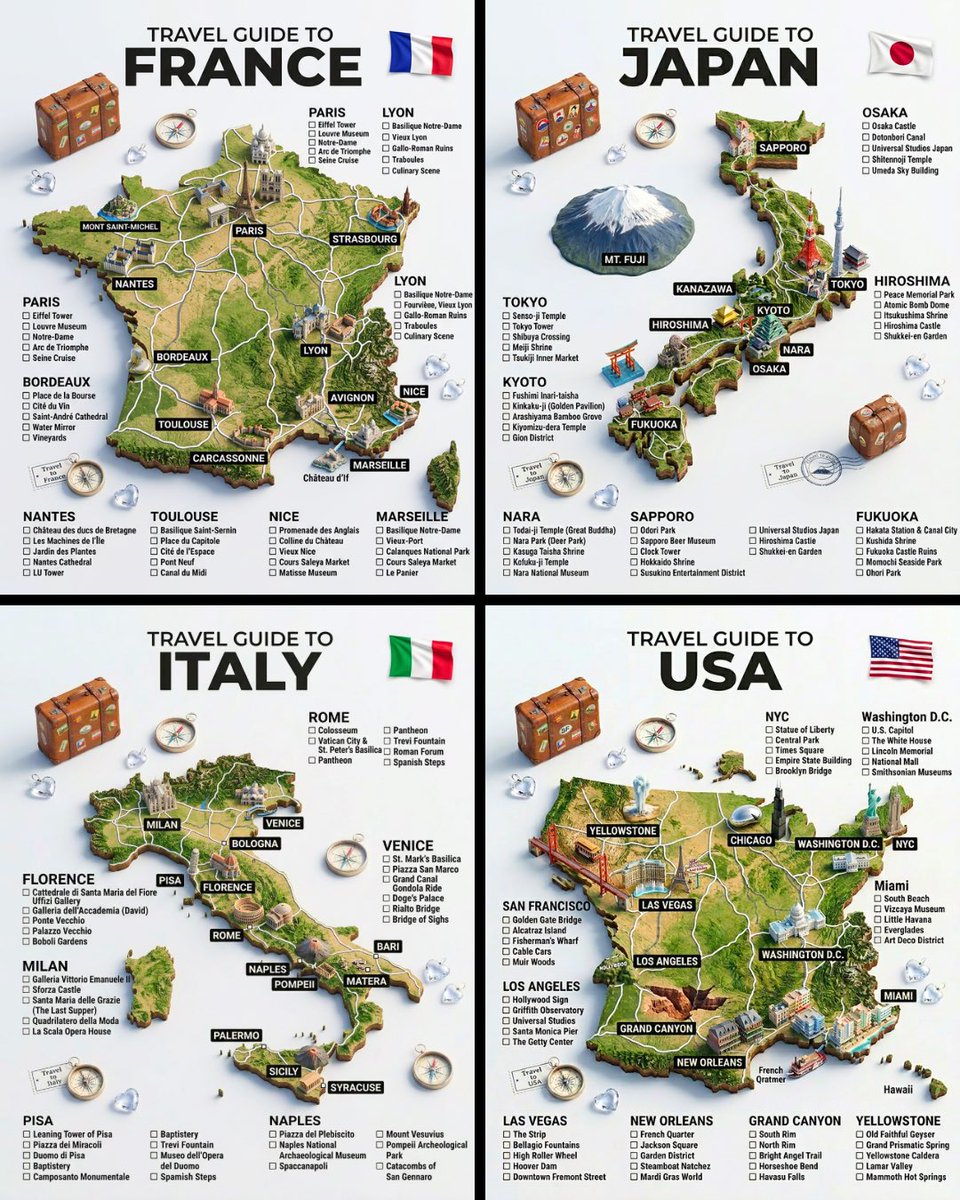
Travel content is no longer limited to simple photos and short captions. Today, travel bloggers, tour operators, hotels, agencies, and independent creators need high-quality visuals for websites, social media, thumbnails, reels, travel guides, and promotional campaigns.
A beautiful destination may be easy to experience in person, but presenting it online is a different challenge. Creators need the right mood, lighting, composition, story, and visual direction. This is where AI image and video tools can become useful.
AI tools do not replace real travel experiences. Instead, they help creators plan, visualize, and test ideas before producing final content. With the right prompts, travel creators can quickly explore different scenes, styles, and campaign concepts.
Overview
AI image and video generation tools allow users to create visual drafts from text prompts or reference images. For travel creators, this can help with:
-
destination mood boards
-
blog cover images
-
social media post concepts
-
YouTube thumbnail ideas
-
hotel and tour promotion visuals
-
itinerary illustrations
-
travel poster concepts
-
short video scene planning
-
seasonal campaign ideas
The main challenge is writing a good prompt. A simple prompt may produce a generic result, while a detailed prompt can create something closer to the creator’s vision.
This is why MeigenAi prompt gallery and AI generation platforms can be helpful. They give creators a starting point instead of forcing them to write every prompt from scratch.
Why Travel Creators Need Strong Visual Planning
Travel is a highly visual industry. People often decide where to go, what to book, or which travel story to read based on images and videos.
For example, a trekking article needs visuals that show adventure, nature, distance, and atmosphere. A beach resort campaign needs a different mood, with soft colors, calm water, sunlight, and relaxation. A city guide may need energetic street scenes, food markets, architecture, or nightlife.
Good travel visuals should answer a simple question:
“What does this experience feel like?”
AI tools can help creators explore that feeling before creating final assets.
Common Travel Content Use Cases1. Blog Cover Images
Travel blogs need strong cover images to attract readers. A blog about a mountain trek may need a wide landscape, misty hills, hikers on a trail, and warm sunrise lighting. A blog about a city break may need streets, cafes, local people, and architectural details.
AI tools can help creators test different cover ideas before choosing the final visual direction.
2. Social Media Content
Travel creators often need frequent posts for Instagram, Pinterest, TikTok, Facebook, and other platforms. Creating fresh visual ideas every day can be difficult.
AI-generated drafts can help creators plan:
-
carousel themes
-
story backgrounds
-
reel covers
-
destination quote graphics
-
seasonal travel posts
-
packing guide visuals
These visuals can be used as drafts, inspiration, or supporting content.
3. YouTube Thumbnails
Travel videos need eye-catching thumbnails. A good thumbnail may include a dramatic landscape, a clear subject, strong contrast, and a sense of curiosity.
AI tools can help creators test different thumbnail concepts before editing the final image.
4. Tour and Hotel Promotions
Tour operators and hotels need visuals for packages, landing pages, brochures, and ads. AI tools can help create early campaign concepts, such as adventure tours, luxury stays, family vacations, honeymoon trips, or cultural travel experiences.
These drafts can help teams align on style before investing in final photography or design.
5. Itinerary and Guide Illustrations
Travel guides often include practical information such as routes, stops, activities, and packing lists. AI images can help create supporting illustrations for different sections of a guide.
For example, a mountain trekking guide may include visuals for trail preparation, sunrise views, camping, forest routes, and safety tips.
How to Write Better Travel Prompts
A good travel prompt should be specific. Instead of only naming a place, the prompt should describe the experience.
A useful travel prompt may include:
-
destination or environment
-
time of day
-
weather
-
activity
-
people or subject
-
mood
-
lighting
-
camera angle
-
visual style
-
final format
For example, instead of writing:
“Create a mountain travel image.”
A stronger version would be:
“Create a cinematic mountain trekking scene at sunrise, with two hikers walking along a rocky trail, mist covering the valley, golden light on the peaks, realistic travel photography style, wide-angle composition.”
This gives the AI more direction and usually creates a more useful result.
Practical Prompt Ideas for Travel Creators
Here are several prompt structures that travel creators can adapt.
Mountain Trekking Prompt
A realistic mountain trekking scene at sunrise, hikers walking on a narrow trail, misty valley below, dramatic peaks in the background, warm golden light, adventure travel photography style, wide-angle shot.
Beach Vacation Prompt
A peaceful tropical beach at sunset, soft waves, palm trees, warm orange sky, relaxed vacation atmosphere, luxury travel photography style, clean composition.
City Travel Prompt
A lively old-town street during golden hour, travelers walking past cafes and local shops, warm lights, historic architecture, documentary travel photography style.
Hotel Promotion Prompt
A boutique hotel room with large windows, mountain or ocean view, soft natural light, clean interior design, peaceful luxury travel mood, editorial photography style.
Travel Packing Guide Prompt
A flat lay of travel essentials on a wooden table, backpack, camera, sunglasses, passport, hiking shoes, water bottle, clean organized composition, lifestyle travel photography style.
These examples can be changed based on destination, season, audience, and content type.
Using Reference Images
Text prompts are useful, but travel creators often have real photos from trips. Reference images can make AI tools more practical.
A creator may upload a photo of a destination, hotel, trail, product, or travel outfit, then use AI to explore different styles or layouts. This can help with:
-
turning a simple photo into a campaign concept
-
creating variations for social media
-
planning a blog header
-
testing poster styles
-
creating mood boards for future shoots
Reference images help keep the output closer to the original idea while still allowing creative variation.
How MeigenAI.app Can Help
MeigenAI.app is an AI image prompt gallery and generator that helps users discover, copy, customize, and generate visual prompts. For travel creators, this kind of tool can be useful because it removes the blank-page problem.
Instead of trying to write a perfect prompt from the beginning, users can browse examples, adjust the subject or style, upload reference images, and generate new visual ideas.
A travel blogger can use it to plan article covers. A hotel marketer can test promotional styles. A tour company can create early ad concepts. A social media creator can develop fresh post ideas for different destinations.
The value is not only in generating images, but also in learning how better prompts are structured.
Tips for Better AI Travel VisualsBe Specific About the Location
A prompt that says “beautiful place” is too broad. Use details such as mountain village, tropical beach, desert road, old town, forest trail, lakeside cabin, or city skyline.
Describe the Time and Weather
Morning, sunset, cloudy weather, rainy streets, snowy peaks, or clear blue skies can completely change the result.
Add a Human Element
Travel visuals often feel more engaging when they include people, such as hikers, solo travelers, families, couples, or local guides.
Use Camera Language
Words like wide-angle shot, aerial view, close-up, cinematic framing, or documentary photography style can help guide composition.
Match the Visual to the Purpose
A blog header, Instagram post, YouTube thumbnail, and hotel ad may need different styles. Always write the prompt based on where the image will be used.
Common Mistakes to AvoidUsing Prompts That Are Too Short
Short prompts often lead to generic results. Add more detail about subject, style, mood, and composition.
Ignoring the Audience
A family vacation image should feel different from a solo adventure trek or a luxury honeymoon campaign.
Overloading the Prompt
Too many conflicting details can confuse the output. Keep the prompt detailed but focused.
Expecting Final Results Immediately
AI visuals often need testing. Generate several variations, compare them, and refine the prompt.
Why AI Is Useful for Travel Marketing
Travel marketing depends on emotion. People want to imagine the experience before they book, read, or follow.
AI tools help creators quickly explore that emotional direction. They can test whether a campaign should feel adventurous, peaceful, luxurious, cultural, romantic, or family-friendly.
This makes AI especially useful during the planning stage. It helps teams make faster creative decisions before spending time and money on final production.
FAQsCan AI replace real travel photography?
No. Real travel photography is still important because it captures authentic places, people, and experiences. AI is better used for planning, concept development, illustrations, and creative drafts.
Can travel bloggers use AI images in articles?
Yes, but they should use them responsibly. If an image represents a real destination, it should not mislead readers. AI visuals are better for conceptual images, covers, guides, and design support.
What makes a good travel prompt?
A good travel prompt clearly describes the destination, activity, mood, lighting, camera angle, and intended use.
Are AI prompt galleries useful for beginners?
Yes. Prompt galleries help beginners learn how to describe scenes more clearly and avoid starting from a blank prompt.
Should businesses use AI visuals for ads?
They can use AI visuals for testing concepts and early drafts. For final commercial campaigns, businesses should review image accuracy, brand fit, licensing, and platform rules.
Conclusion
Meigenai generator are becoming useful companions for travel creators. They help bloggers, agencies, hotels, and marketers plan better visuals, test ideas faster, and create more content with fewer resources.
The most important skill is prompt writing. Clear prompts lead to better results, while vague prompts often create generic images.
Prompt galleries make this process easier by giving creators examples they can study, copy, and customize. Tools like MeigenAI.app help travel creators move from inspiration to visual ideas more quickly.
For the travel industry, AI is not about replacing real journeys. It is about improving the creative process before, during, and after those journeys are shared with the world.