Imagine this: late afternoon light fades to a deep blue, your snowmobile hums across a frozen trail, and a few hours later you are standing under a dark sky, waiting for green ribbons to appear. That is the appeal of a plan to combine aurora viewing with snowmobiling Yukon (1 night) in a single, well-paced evening. It mixes speed and stillness, adrenaline and awe, and it fits neatly into a short stay in Whitehorse.
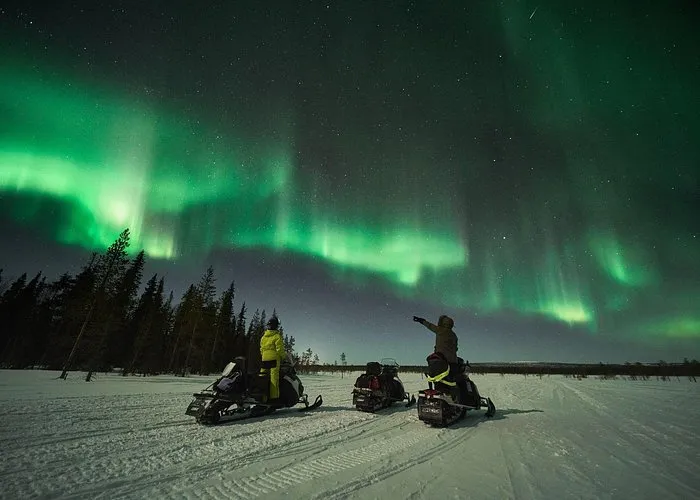
This guide explains how the two activities fit together, what a typical evening looks like, when to go, and how to dress and prepare so you stay warm, safe, and ready for the lights.
Trip at a Glance
-
Format: Guided snowmobile ride first, then northern lights viewing
-
Duration: One evening, usually late afternoon until after midnight
-
Best season: Late autumn through early spring, with snow and dark skies
-
Prime aurora window: About 10 p.m. to 2 a.m.
-
Experience needed: None, since tours start with a short lesson
-
Guarantee: None for the aurora, so ask about rebooking
Why Pair Snowmobiling With Aurora Viewing?
Aurora tours involve a lot of waiting. Guides often arrive at a viewing site, then watch the sky for hours. That is part of the charm, but it also leaves a long evening that can feel slow if you like activity. Snowmobiling fills that gap. It gives you an energetic start, shows you the winter landscape, and makes the later stillness feel even more special.
There is also a practical advantage. If you only have one night in the Yukon, combining two experiences means you do not have to choose between a thrilling activity and a classic northern lights trip. You get both in one package, with transport and logistics handled for you.
How a One-Night Combination Usually Works
Exact schedules vary, but many operators follow a rhythm like this.
Late afternoon: Arrival and gear fitting. You meet your guide, sign paperwork, and receive an insulated suit, boots, mittens, and a helmet. A short safety briefing covers hand signals, throttle control, and rules for riding in a group.
Early evening: The snowmobile ride. You head out on trails or frozen lakes, riding in a line behind the guide. The ride may last two to three hours, with photo stops and a warm-up break. As the light fades, the snowy landscape turns soft blue and silver.
Evening: Dinner or a warm meal. Many tours include hot drinks and a meal or snack, usually around a fire or inside a heated cabin or tipi. It is a good time to relax, dry off, and chat with your group.
Night: Aurora viewing. After dark, you move to a viewing area, often within a short drive, and begin watching the sky. A guide keeps an eye on cloud cover and aurora activity, calling you out when the lights brighten.
Late night: Return. You head back to town after midnight, tired and happy, with stories to share.
This flow is common, but it can change with weather, snow conditions, and sky forecasts. Some operators run separate bookings for each activity, so ask whether they are combined or sold individually.
What Makes Snowmobiling Special in the Yukon
Yukon winter is quiet, open, and spacious. On a snowmobile you cover far more ground than you would on foot, passing through forest, across frozen lakes, and along wide valleys. Even beginners can enjoy it, since tours start with a lesson and a slow pace.
The cold, dry air also gives snowmobiling a clean, exhilarating feeling. Add steady light at sunset, and you may get glowing peaks, crisp air, and photographs that look almost unreal.
How Likely Are You to See the Aurora?
Being honest here matters. The aurora is natural, and no company controls it. Cloud cover and solar activity decide the show. On a single night, your chances depend on conditions, but good guides improve your odds by tracking weather and moving to clearer skies.
To the naked eye, the lights often start as a pale green or whitish glow. A stronger display may show curtains, spirals, and pulses, with hints of pink or purple. Cameras collect more light than eyes, so photos usually look more vivid. Do not be disappointed if reality is softer; the movement itself is the magic.
Because one night offers one chance, look for a tour that provides rebooking, a second attempt, or at least a clear policy on cloudy nights. If you can add a second night to your trip, your odds rise considerably.
The Best Time to Go
Both activities need the right season. You need snow for riding and darkness for the lights.
Late November to early December. Snow arrives, nights grow longer, and crowds are light.
December to February. Deep winter with the longest nights and coldest temperatures. Conditions are excellent for snowmobiling, but you must dress carefully.
March. Brighter days, slightly milder weather, and strong aurora activity near the equinox. Many travelers find it the most comfortable window.
Early April. Snow may thin out in some areas, so confirm availability.
If you can choose your dates, aim for a new moon or thin crescent. A bright full moon can wash out fainter displays.
What to Wear
Staying warm lets you enjoy both parts of the night. Operators usually provide outer suits, boots, mittens, and helmets, but your base layers matter.
-
Thermal base layers made of wool or synthetic fabric, never cotton
-
A fleece or warm mid-layer
-
Warm socks and, if you wish, liner gloves
-
A balaclava or neck gaiter for your face
-
Hand and toe warmers
-
A thermos or insulated bottle for hot drinks
-
A spare camera battery kept in an inner pocket
Standing still at night feels far colder than riding, so bring an extra warm layer for the aurora portion of the evening, or ask whether your operator provides one.
Safety Tips for Riding Before the Aurora
-
Listen carefully to the safety briefing and follow your guide at all times.
-
Wear the helmet properly and keep your face covered against cold wind.
-
Keep a safe distance behind the rider ahead.
-
Avoid alcohol before or during the tour.
-
Tell the guide immediately if you feel cold, tired, or unwell.
-
Respect speed limits and never overtake the guide.
If you plan to combine aurora viewing with snowmobiling Yukon (1 night), ask the operator how they handle low-light riding. Many tours schedule the ride in the early evening while there is still some daylight, then switch to a calmer viewing session after dark.
Photography Basics
Use a tripod or a stable surface, a wide-angle lens, and a wide aperture. Try exposures of 5 to 15 seconds, then adjust for brightness. Turn off flash and focus manually on a distant star. On a smartphone, use night mode and keep still. Remember to put your camera down and simply watch.
How to Choose the Right Tour
Before booking a combined snowmobile and aurora experience, compare these points:
-
Group size. Smaller groups are warmer, safer, and more flexible.
-
Format. Check whether the activities are combined in one tour or sold separately.
-
Heated shelter. A warm place to wait for the aurora makes a big difference.
-
Gear. Confirm that suits, boots, mittens, and helmets are included.
-
Requirements. Ask about driver’s license rules, age limits, and passenger options.
-
Weather policy. Know what happens if conditions are poor.
-
Rebooking. A second attempt policy is valuable on a single-night trip.
Frequently Asked Questions
Do I need experience to ride a snowmobile?
No. Most tours teach the basics before you head out.
Is one night enough to see the aurora?
It can be, especially in peak season, but nothing is guaranteed.
Can I ride at night?
Policies vary. Many tours ride early in the evening and then switch to viewing after dark. Ask your operator.
Is it suitable for families?
Often yes, depending on age rules and the tour format.
Final Thoughts
When you combine aurora viewing with snowmobiling Yukon (1 night), you turn a short stay into a full northern adventure. You ride through snowy wilderness, share a hot drink by the fire, and end the night beneath a sky that might glow without warning. Dress warmly, listen to your guide, and keep your expectations flexible. Whether the lights are faint or spectacular, the evening is likely to stay with you.
Before You Go: Checklist
-
Confirm whether the snowmobile ride and aurora viewing are booked as one tour
-
Choose a snow-season date, ideally near a new moon
-
Pack thermal base layers, a warm mid-layer, and hand and toe warmers
-
Ask whether extra warm gear is provided for the aurora portion
-
Review the rebooking policy in case of clouds
-
Skip alcohol before riding, and eat a good meal before departure