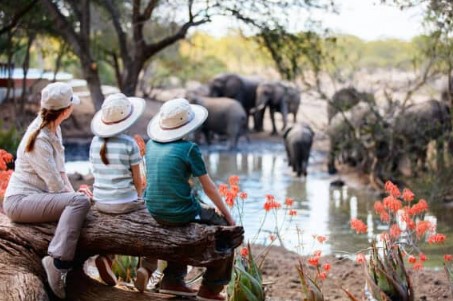
When preparing for a luxury African safari, the thrill of the unknown is often met with the practicalities of the itinerary. Whether you are chasing the Great Migration across the golden plains of Kenya and Tanzania, navigating the water-choked channels of Botswana’s Okavango Delta, or hoping to see the desert-adapted lions of Namibia, a safari requires a specific kind of preparation.
From the rugged coastlines of South Africa to the vast East African savannahs, when you pack for a holiday in Africa, you are equipping yourself for an expedition.
For the luxury traveller, the choice of luggage is where functionality meets sophistication. However, unlike a weekend in Paris or a stay at a London high-rise, the African bush comes with its own set of rules. To ensure your journey remains seamless, your luggage must fit the landscape. Here is a guide to packing like a pro for your adventure to Africa.
The Bush Plane Reality: Why Soft-Sided is Essential
The most important thing to understand when booking a luxury safari is the logistical leap from international flights to regional transfers. To reach the remote, pristine corners of the Okavango Delta or the Serengeti, for example, you will almost certainly board a light aircraft; more often than not, it will be a Cessna Caravan.
These aircraft are the lifelines of the wilderness and come with strict luggage limitations. The luggage pods are narrow and oddly shaped and therefore cannot accommodate the rigid, hard-shell suitcases that typically define luxury travel.
The Golden Rule: You must use soft-sided luggage. Your bags must be easy to squash to ensure they fit into the aircraft’s cargo hold. If your bag has a rigid frame or a hard plastic shell, there is a significant risk that it will be left behind at the airstrip.
Too many travellers have had the heartbreaking experience of watching their designer hard-shell case stay on the tarmac while they fly off to the bush with their belongings in a borrowed pillowcase.
Weight Restrictions and the 15kg Limit
Safety is paramount in bush aviation. Because these planes are small, weight distribution is meticulously calculated. Most luxury safari transfers enforce a strict limit of 15kg to 20kg (33lb to 44lb) per person. This limit is inclusive of your hand luggage and heavy camera equipment.
While this may seem restrictive for a luxury getaway, remember that most high-end lodges provide complimentary daily laundry services. This allows you to pack light, focusing on quality over quantity. Think of it as a forced exercise in safari minimalism.
Choosing the Right Aesthetic
A good quality safari bag should be an investment piece. When selecting your set, look for the following:
- Materials: Durable canvas or high-quality leather are the industry standards. Canvas is lighter and more resilient against the elements of the savannah, while leather offers a timeless, vintage-explorer aesthetic that ages well.
- The Palette: In keeping with the ethos of respecting the environment, your luggage should reflect the landscape. Opt for muted tones like khaki, sand, olive green, or tobacco brown. Avoid bright colours that clash with the bush, or dark blues and blacks, which are known to attract tsetse flies.
- Wheels vs. No Wheels: While traditional duffel bags are preferred, many modern luxury travellers opt for soft-wheeled duffels. If you choose wheels, ensure the bag does not have an internal metal frame so it remains flexible.
The Ultimate Safari Packing List
To stay within your weight limit while maintaining a sense of luxury and style, we recommend the following essentials:
- Clothing: Three sets of neutral-coloured safari outfits. Think breathable linens and performance cottons.
- Insulation: A high-quality down vest or a windproof jacket will come in handy. Early morning game drives in an open-air vehicle can be surprisingly chilly, even in the height of summer.
- Footwear: One pair of sturdy, broken-in walking shoes or outdoor boots for bushwalks, and one pair of comfortable loafers for dinner at the lodge.
- Protection: A wide-brimmed hat with a chin strap (to ensure it stays on your head while tracking wildlife at speed) and high-factor, biodegradable sunscreen.
- Optics: A high-quality pair of 8×42 binoculars. Being in the bush is primarily about what you observe, so don’t solely depend on your guide’s binoculars.
- Tech: A global travel adapter and a rugged power bank. While you may be on a digital detox, your camera and Kindle will still need to stay powered up.
A Note on Modern Conveniences
A safari provides time to detach from your devices and allow yourself to reconnect with the wild. However, it is still important to keep your tech protected. Ensure your soft-sided hand luggage includes padded compartments for your camera bodies and lenses, as the vibrations on bush planes can be enough to cause some damage. It is best to stay on the safe side.
Conclusion
Selecting the right luggage for your African travels is as much about style as it is about respecting the logistics of the wilderness. By opting for high-quality, soft-sided bags and adhering to the strict weight limits of the bush planes, you ensure that your transition from the clouds to the campfire is as effortless. The wildlife awaits. Pack light, pack purposefully, and let the landscape do the rest.