The Everest region remains one of the world’s ultimate trekking destinations, but the standard route to Everest Base Camp (EBC) can get crowded during peak seasons. For travelers seeking a more diverse, visually stunning, and physically thrilling alternative, the Gokyo Cho La Pass Trek stands out as the absolute crown jewel of the Khumbu.
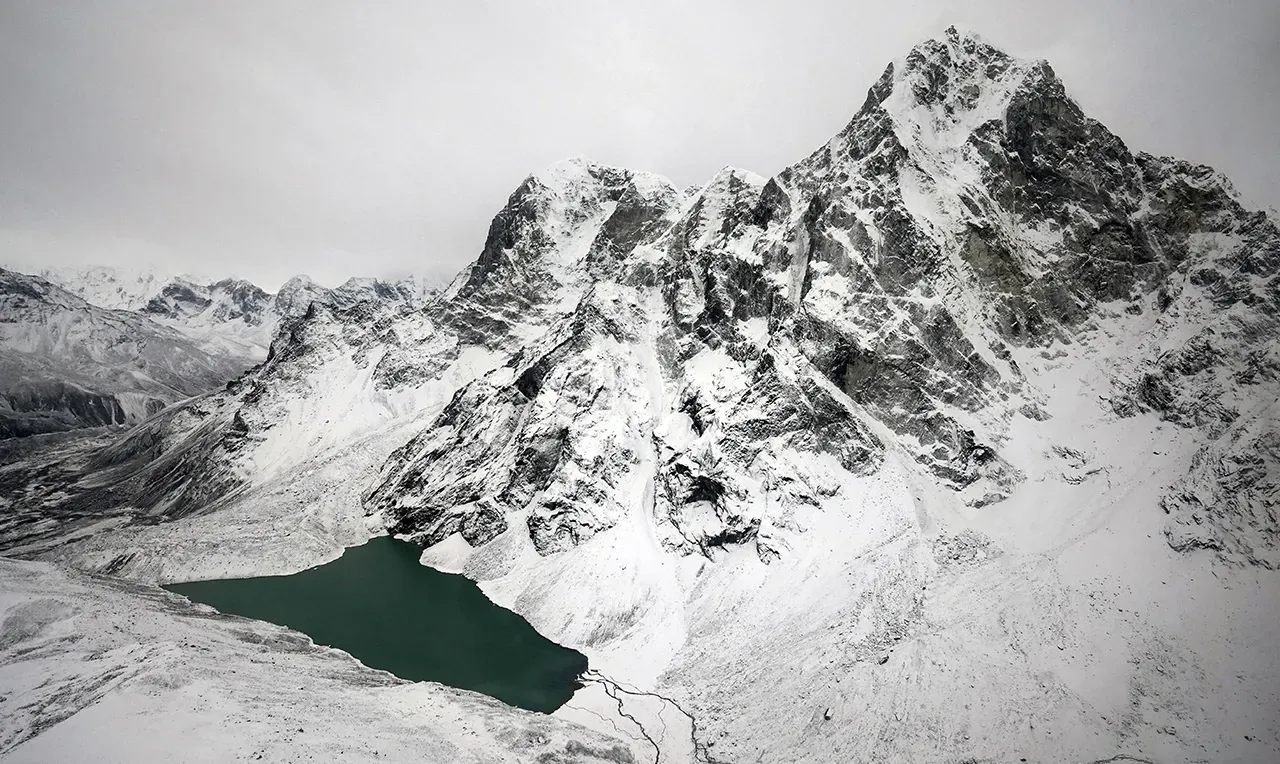
Combining the turquoise alpine lakes of the Gokyo Valley, the icy cross-mountain traverse of the Cho La Pass (5,420m), and the iconic standpoints of Kala Patthar and Everest Base Camp, this circuit offers a complete journey through Nepal’s high Himalayas.
What Makes the Gokyo Cho La Pass Trek Unique?
Unlike linear out-and-back routes, the Cho La Pass trek forms a dynamic circuit. It pairs raw high-altitude wilderness with classic Sherpa culture.
1. The Glacial Lakes of Gokyo
The Gokyo Valley features a chain of six pristine, oligotrophic glacial lakes situated between 4,700m and 5,000m. Resembling emeralds set against towering ice walls, these high-altitude water bodies hold sacred meaning for both Hindus and Buddhists.
2. The Summit Viewpoints: Gokyo Ri vs. Kala Patthar
Most treks in Nepal offer a single primary viewpoint. This circuit offers two of the highest and most renowned non-technical summits in the region:
-
Gokyo Ri (5,357m): Yields a 360-degree panorama encompassing four 8,000-meter giants—Mount Everest, Lhotse, Makalu, and Cho Oyu—alongside the Ngozumpa Glacier, the longest glacier in Nepal.
-
Kala Patthar (5,545m): The premier vantage point for watching the morning sun illuminate the sheer south face of Everest.
3. The High-Altitude Thrill of Cho La Pass
Standing at 5,420 meters (17,782 ft), Cho La Pass connects the Gokyo Valley to the main EBC trail. Crossing this pass involves navigating scree fields, boulders, and a glaciated snowpack—delivering a real sense of alpine mountaineering without requiring technical climbing gear.
Route Overview & Essential Metrics
|
Parameter |
Details |
|
Duration |
14 to 17 Days (Kathmandu to Kathmandu) |
|
Trek Distance |
~130 km – 160 km (depending on side hikes) |
|
Difficulty Level |
Challenging (Requires strong endurance & stamina) |
|
Maximum Elevation |
Kala Patthar (5,545m / 18,192 ft) or Cho La Pass (5,420m / 17,782 ft) |
|
Best Seasons |
Spring (March–May) & Autumn (September–November) |
|
Accommodation |
Traditional Teahouses / Mountain Lodges |
|
Permits Required |
Sagarmatha National Park Permit & Pasang Lhamu Rural Municipality Entry Permit |
Detailed 15-Day Itinerary
Here is a balanced, safety-focused itinerary designed to ensure optimal acclimatization while covering all major highlights.
Lukla ➔ Namche Bazaar ➔ Machhermo ➔ Gokyo Lakes ➔ Dragnag ➔ Cho La Pass ➔ Dzonglha ➔ Gorak Shep (EBC) ➔ Pheriche ➔ Namche ➔ Lukla
Days 1–2: Arrival & Flight to Lukla, Trek to Phakding (2,610m)
After arriving in Kathmandu, take an early morning flight to Tenzing-Hillary Airport in Lukla (2,860m). Begin walking alongside the Dudh Koshi River, passing pine forests and mani stones down to the village of Phakding.
Days 3–4: Phakding to Namche Bazaar (3,440m) & Acclimatization
Cross high suspension bridges—including the iconic Hillary Suspension Bridge—as you ascend steeply into Namche Bazaar, the bustling hub of the Sherpa community. Spend Day 4 acclimatizing with a day hike to the Everest View Hotel or the traditional villages of Khumjung and Khunde.
Days 5–7: Namche Bazaar to Gokyo Valley (4,750m)
Branch off the main Everest Base Camp trail at Sanasa, heading north up the Dudh Koshi valley through rhododendron forests. Pass through Dole (4,038m) and Machhermo (4,470m) before tracing the lateral moraine of the Ngozumpa Glacier. Arrive at the third Gokyo Lake (Dudh Pokhari) and rest at Gokyo village.
Day 8: Gokyo Ri Sunrise (5,357m) & Trek to Dragnag (4,700m)
Ascend early to the top of Gokyo Ri for sunrise views over the Himalayan giants. After descending for breakfast, cross the rock-strewn expanse of the Ngozumpa Glacier to reach Dragnag (Thagnak), the launching pad for the high pass.
Day 9: Crossing the Cho La Pass (5,420m) to Dzonglha (4,830m)
The most demanding day of the trek. Start before dawn to navigate the steep rock scramble up to the pass. After crossing the icy summit ridge, descend carefully over loose scree and boulders to the quiet settlement of Dzonglha.
Days 10–12: Dzonglha to Lobuche, Everest Base Camp (5,364m), Kala Patthar & Pheriche
Rejoin the main EBC trail at Lobuche. Push forward to Gorak Shep and trek to Everest Base Camp itself, standing beneath the Khumbu Icefall. The next morning, make the dawn ascent up Kala Patthar (5,545m) for panoramic views of Everest before descending to Pheriche (4,371m).
Days 13–15: Pheriche to Namche, Lukla, and return to Kathmandu
Descend through Tengboche and back into Namche Bazaar. Complete the final leg of the trail back to Lukla, taking a flight back to Kathmandu the following morning.
Trek Difficulty, Safety, and Preparation
The Gokyo Cho La Pass circuit is classified as a challenging high-altitude trek. It does not require technical mountaineering skills, but it demands strong physical fitness, mental resilience, and respect for mountain weather.
Physical Fitness & Training
Start preparing at least 8 to 12 weeks prior to departure:
-
Cardiovascular Conditioning: Running, cycling, or swimming 3–4 times a week to build endurance.
-
Leg Strength & Core: Weighted step-ups, lunges, and squats to prepare for steep ascents and knee-jarring descents.
-
Practice Hiking: Full-day hikes with a weighted backpack (6–10 kg) on uneven terrain.
Altitude Sickness Prevention (AMS)
Acute Mountain Sickness is a real risk when spending extended days above 4,000 meters.
-
Pace Yourself: Walk at a slow, steady pace (“Bistari, bistari”).
-
Hydration: Drink 3 to 4 liters of water daily.
-
Acclimatization: Ensure your itinerary includes mandatory rest days at Namche Bazaar and Gokyo.
-
Medication: Consult a doctor regarding Acetazolamide (Diamox) as a prophylactic measure.
Essential Packing List Highlights
Packing efficiently is critical. You want gear that keeps you warm down to -15°C (5°F) at night without adding unnecessary weight for your porter or yourself.
-
Footwear: Broken-in, waterproof trekking boots with strong ankle support, plus microspikes/light crampons for the icy section of Cho La Pass.
-
Layering System: Synthetic base layers, fleece mid-layers, an insulated down jacket (rated for low sub-zero temperatures), and a waterproof/windproof shell layer.
-
Sleep Gear: A 4-season sleeping bag (rated to -15°C or lower) as teahouse rooms are unheated.
-
Trekking Accessories: Adjustable trekking poles, UV protection sunglasses (Category 3 or 4), headlamp with spare batteries, and water purification tablets or a UV purifier.
Best Time to Trek
-
Spring (March to May): Stable weather, clear mornings, and blooming rhododendron forests at lower elevations. Trail temperatures are moderate, though high passes remain cold.
-
Autumn (September to November): The most popular season. Post-monsoon air provides crisp, crystal-clear views of the mountains, with stable days and cold nights.
-
Winter (December to February): Severe cold, high winds, and heavy snowfall often close the Cho La Pass, making it suitable only for winter-season expeditions.
-
Monsoon (June to August): Heavy rains lead to mudslides, leeches, and poor visibility, along with frequent flight disruptions at Lukla.
Conclusion
The Gokyo Cho La Pass Trek delivers an unmatched Himalayan experience. It balances the raw, quiet solitude of the Gokyo Lakes with the legendary milestone of Everest Base Camp and the thrill of traversing a 5,420-meter alpine pass.
For conditioned trekkers looking to push beyond standard paths and experience the Khumbu region in all its alpine diversity, this circuit remains the ultimate adventure. Proper preparation, an adaptive itinerary, and respect for the environment ensure a safe and memorable journey into the high Himalayas.